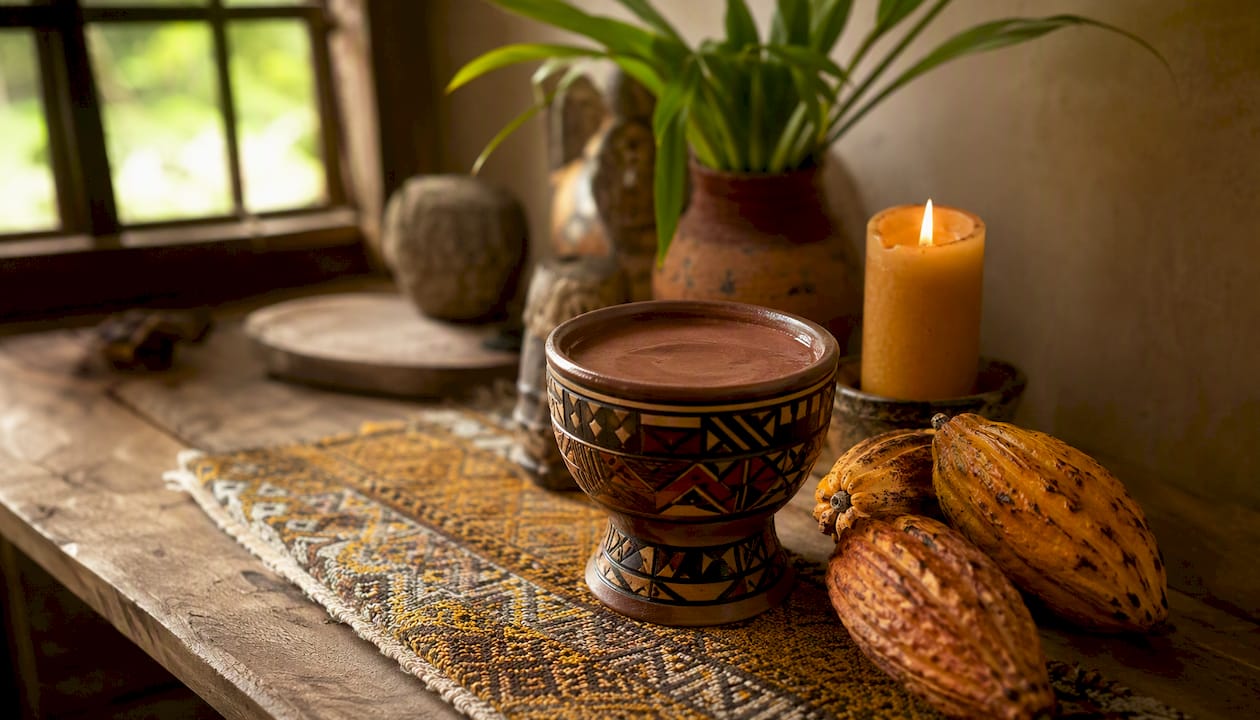
A cacao ceremony is a heart-centered ritual that uses ceremonial-grade cacao, shared intention, and a held container to foster emotional opening, communal connection, and what ritual scholars call subjective reconfiguration. You leave carrying something specific: a reoriented sense of what you feel, what you want, and how you belong to the people around you. What follows here covers the origins of this practice in Maya and Aztec culture, the physiology behind its effects, what actually happens during a ceremony, how to prepare and integrate the experience, and how to engage with it ethically.
Key Takeaways
A cacao ceremony draws its meaning from three inseparable elements: the plant’s physiological support, the facilitator’s held container, and the participant’s own intention, and none of the three works without the others.
| Point | Details |
|---|---|
| Core meaning | A cacao ceremony is a co-created ritual for emotional opening, communal connection, and subjective reconfiguration. |
| Physiological basis | Theobromine acts as a vasodilator, producing calm, heart-centered alertness distinct from caffeine’s stimulant effect. |
| Safety first | Pregnancy, heart conditions, and MAOI/SSRI medications require a clinician check before attending a ceremonial dose. |
| Ethical participation | Ask facilitators about lineage, training, and sourcing; support Indigenous-owned cacao producers and credit origins. |
| Mymayansign connection | Discovering your Tzolkin day sign through Mymayansign can deepen the symbolic context you bring to ceremony intentions. |
Table of Contents
- What does a cacao ceremony mean, and why does it matter?
- How ceremonial cacao differs from commercial chocolate
- Where does a cacao ceremony come from?
- What actually happens during a cacao ceremony?
- How ceremonial cacao affects the body, and who should be careful
- Why cacao ceremonies feel meaningful: what ritual science actually says
- How to prepare for a ceremony and integrate what comes up
- What contemporary cacao ceremonies look like today
- Ethics, cultural reciprocity, and how to source cacao responsibly
- What the ceremony’s meaning reveals about Mayan cosmology
- Deepen your ceremony experience with Mayan cosmology
- Frequently asked questions
- Sources
What does a cacao ceremony mean, and why does it matter?
The word “ceremony” is doing real work here. This is not a wellness trend dressed in ancient clothing, though it has been marketed that way. At its core, a cacao ceremony is a structured ritual act: a group or individual gathers with ceremonial cacao prepared with intention, sets a purpose, drinks together, and moves through a guided inner process. The meaning comes from that combination, not from the cacao alone.
Practitioners describe cacao as a plant ally, a term that signals a relationship of respect rather than consumption. The plant is not doing the work for you. You bring the intention; the facilitator holds the container; the cacao supports the opening. That three-way co-creation is what distinguishes a ceremony from simply drinking a cup of hot chocolate in a quiet room.
How ceremonial cacao differs from commercial chocolate
Ceremonial cacao and the chocolate bar in your pantry share a botanical origin and almost nothing else. The difference starts at processing.
Ceremonial-grade cacao is made from whole cacao beans that are fermented, dried, and ground into a paste with minimal heat. No milk solids, no refined sugar, no alkalization (the Dutch-process treatment that strips flavor and reduces polyphenol content). The result is a dense, bitter paste, typically 100% cacao, that retains the full spectrum of the bean’s active compounds, including theobromine, anandamide, and phenylethylamine.
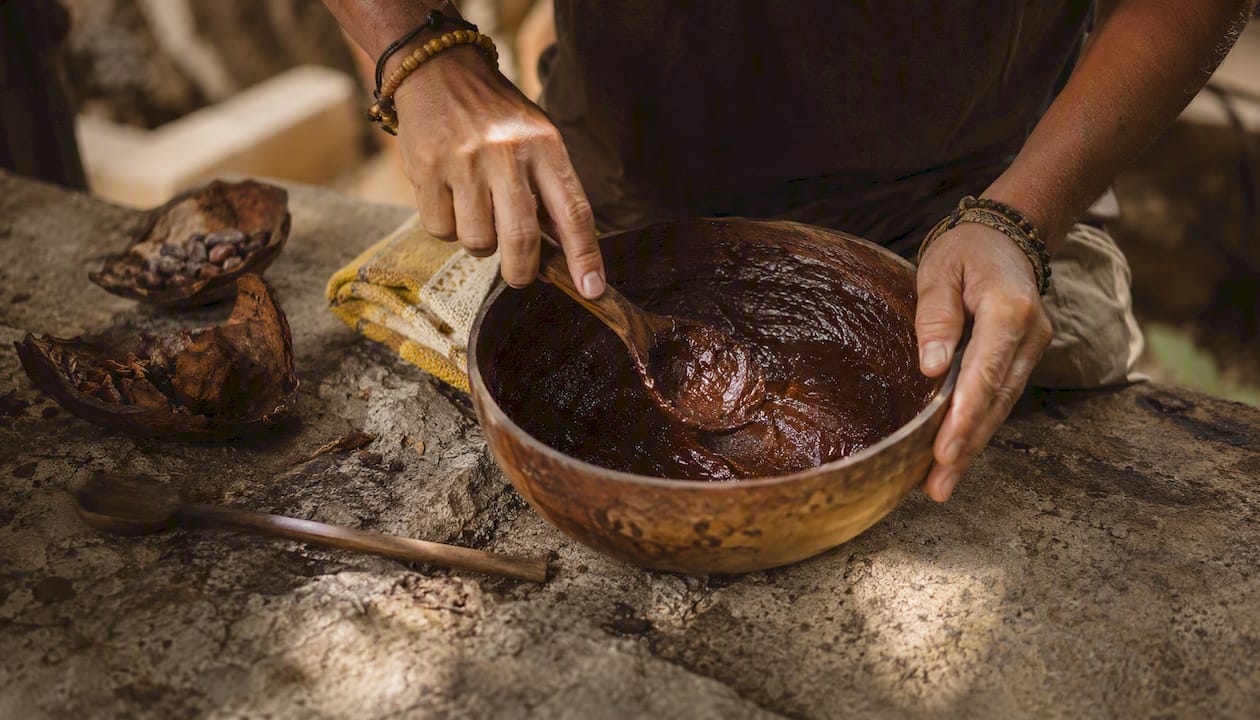
Commercial cocoa powder, by contrast, is heavily processed. Alkalization raises the pH, neutralizes bitterness, and makes it dissolve easily, but it also degrades a significant portion of the flavanols. Add dairy and sugar, and you have a confection, not a ritual ingredient.
In a ceremony, the cacao paste is melted into hot water, sometimes with a small amount of natural sweetener like raw honey or coconut sugar, and spices such as cinnamon, cayenne, or cardamom. These additions are functional: cayenne supports circulation, cinnamon balances the bitterness, and the spices themselves carry symbolic weight in Mesoamerican traditions.
Sensory differences you’ll notice:
- Taste: deeply bitter, earthy, almost astringent, with none of the sweetness of chocolate
- Texture: thick and slightly grainy, with a coating mouthfeel from the cacao butter
- Aroma: raw, fermented, complex, closer to coffee than candy
- Aftertaste: long, warm, and slightly floral depending on origin
Pro Tip: When evaluating a cacao source, look for single-origin labeling with a named farm or cooperative, fermentation and drying notes, and a producer country. Bags that say “ceremonial grade” with no origin story or farmer transparency are a marketing label, not a quality guarantee.
Where does a cacao ceremony come from?
Cacao’s ritual history in Mesoamerica stretches back at least 3,500 years. Archaeological residue analysis has found cacao traces in ceramic vessels at sites across present-day Mexico, Guatemala, Belize, and Honduras, with some of the earliest evidence dating to around 1500 BCE among the Olmec people. The Maya and Aztec civilizations that followed built cacao into the architecture of their cosmologies.
For the ancient Maya, cacao was not a luxury food. It was sacred currency, a ritual offering, and a cosmological symbol. The Popol Vuh, the K’iche’ Maya creation narrative, places cacao among the sacred plants used in the creation of humanity. Mayan codices depict deities pouring cacao between vessels, a gesture scholars read as an act of offering and transformation. The cacao tree itself was associated with the underworld and with renewal, making it a threshold plant, something that lives at the boundary between states of being.
The Aztec tradition, which absorbed and transformed many earlier Mesoamerican practices, used cacao in elite and ceremonial contexts. Cacao beans served as currency, and the prepared drink xocolatl was consumed by warriors and rulers before significant events.
Colonization fractured this continuity. Spanish colonizers commodified cacao, shipping it to Europe as a trade good and stripping its ritual context in the process. The knowledge held by Indigenous custodians was suppressed, marginalized, or simply not recorded by those doing the recording. What survived did so through oral tradition, community practice, and the persistence of Indigenous communities in Guatemala, Mexico, and across the Maya region, where cacao ceremonies have never fully stopped.
The modern resurgence, which accelerated through the 2000s and 2010s in wellness and retreat culture, draws inspiration from these surviving practices. But contemporary ceremonies are not identical to ancient ones. They are hybrid forms, shaped by the people who revived them, the communities they serve, and the cultural contexts they operate within. Holding that distinction clearly is part of engaging with this practice honestly.
Key moments in cacao’s ritual timeline:
- ~1500 BCE: Olmec cacao use evidenced by ceramic residue analysis
- ~250–900 CE: Classic Maya period, cacao depicted in codices and funerary offerings
- ~1400–1521 CE: Aztec empire, cacao as currency and ceremonial drink
- 1500s: Spanish colonization, cacao commodified and exported to Europe
- Late 1900s–2000s: Indigenous-led and neo-shamanic revival of ceremonial practice
- 2010s–present: Global wellness adoption, retreat culture, and growing ethical debate
What actually happens during a cacao ceremony?
A ceremony typically runs 2–3 hours, though retreat-context ceremonies can extend to a full day. The setting is usually a circle, indoors or outdoors, with cushions, blankets, and an altar that holds symbolic objects: flowers, candles, crystals, cacao offerings, and sometimes images of deities or ancestors.
A typical sequence:
- Welcome and land acknowledgement. The facilitator opens the space, acknowledges the Indigenous origins of the practice and the land, and sets the tone for the container.
- Intention setting. Participants are guided to identify a personal intention: a question, a feeling they want to move through, or a quality they want to cultivate. This is written in a journal or held silently.
- Cacao preparation and serving. The facilitator prepares or presents the cacao, often with a spoken blessing or prayer. Each participant receives their cup. The drinking is slow and deliberate, not gulped.
- Guided meditation or embodiment practice. This is the heart of the ceremony. The facilitator leads participants through breathwork, visualization, movement, or silent sitting. Music, live or recorded, is almost always present. Instruments like singing bowls, drums, rattles, or guitar are common. Some ceremonies include chanting or toning.
- Sharing circle. Participants are invited to speak: what arose, what they noticed, what shifted. This is voluntary and held with confidentiality.
- Closing. The facilitator closes the space with gratitude, often returning to the land acknowledgement and offering thanks to the cacao plant.
What to bring:
- A journal and pen for intention-setting and post-ceremony notes
- A water bottle, hydration matters before and after
- Comfortable, layered clothing you can move in
- An open posture toward whatever arises, including discomfort
Arrive a few minutes early. Silence your phone before entering. If you need to leave early, let the facilitator know beforehand so you can exit without disrupting the container.
How ceremonial cacao affects the body, and who should be careful
The physiological story of ceremonial cacao centers on one compound: theobromine. Unlike caffeine, which acts primarily on the central nervous system to produce alertness and sometimes anxiety, theobromine is a vasodilator. It relaxes blood vessel walls, increases circulation, and produces a warm, grounded alertness rather than a jittery spike. Many participants describe feeling their chest open and their heartbeat become more present, which is a literal cardiovascular response, not only a metaphor.
Cacao also contains small amounts of anandamide (sometimes called the “bliss molecule”) and phenylethylamine, both of which may contribute to the mood-elevating quality participants report. These are present in trace amounts, not pharmacological doses, which is why practitioners consistently describe cacao as a subtle ally rather than a psychoactive substance.
Safety and contraindications. Ceremonial doses are significantly higher than a typical cup of hot cocoa, and that matters for certain people:
- Pregnancy: High theobromine intake is not recommended during pregnancy. Consult your midwife or OB before attending.
- Heart conditions: Vasodilation and increased heart rate can be contraindicated for people with arrhythmias, hypertension, or recent cardiac events.
- MAOIs and SSRIs: Cacao contains tyramine and phenylethylamine, which can interact with monoamine oxidase inhibitors. If you take any antidepressant or psychiatric medication, check with your prescriber.
- Stimulant sensitivity: If caffeine makes you anxious at low doses, theobromine may produce a similar response at ceremonial quantities.
Pro Tip: If you are attending your first ceremony, ask the facilitator for a smaller cup. A half-dose still produces a noticeable effect and lets you gauge your sensitivity before committing to the full ceremonial amount.
Why cacao ceremonies feel meaningful: what ritual science actually says
The feeling of significance that arises during a cacao ceremony is not accidental, and it is not purely chemical. Ritual studies offer a more precise explanation.
Research published in the journal Religions frames cacao ceremonies as sites of subjective reconfiguration, drawing on González-Rey’s cultural-historical psychology. In plain terms: the ritual structure, the symbolic objects, the facilitator’s guidance, and the communal container work together to help participants reorganize how they understand their own emotional states and social relationships. The ceremony creates conditions for meaning to shift, not by imposing a new narrative, but by loosening the grip of the old one.
This is why the facilitator’s skill matters as much as the cacao itself. Experienced facilitators stress that outcomes depend on the container: the music chosen, the quality of presence held, the safety of the sharing circle, and the clarity of the intention-setting process. The plant is one element in a system.
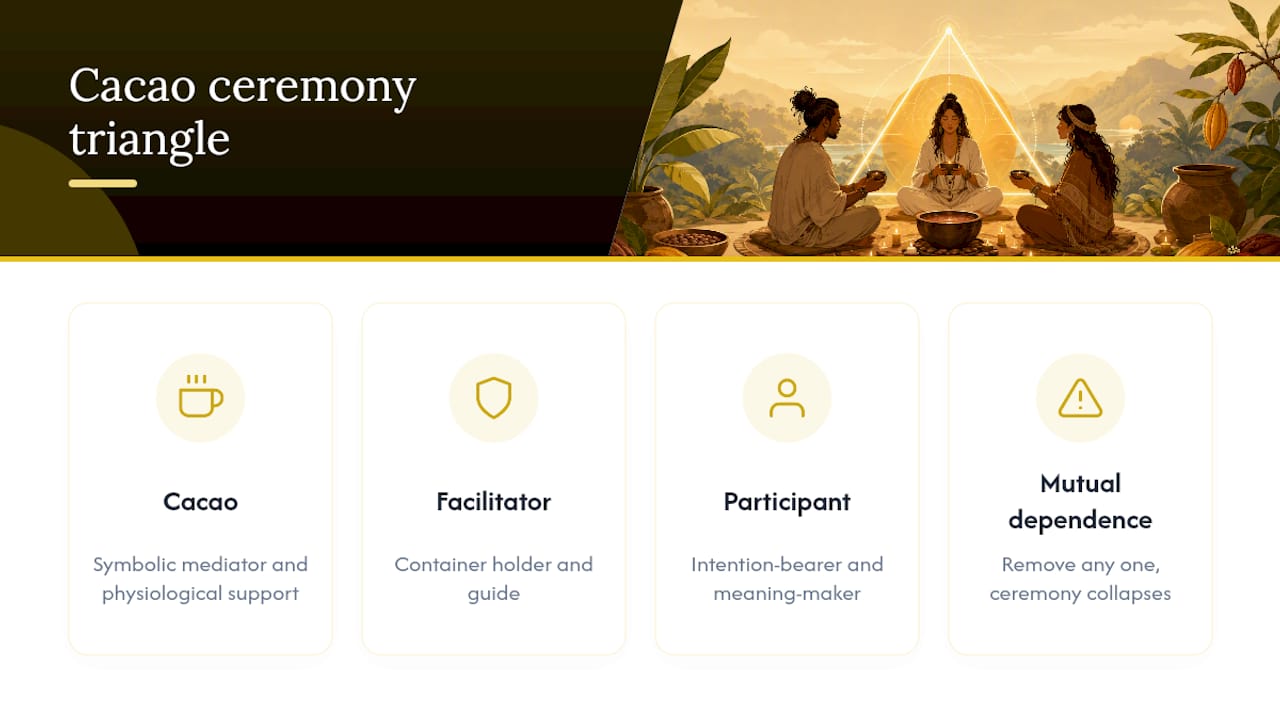
Think of it as a triangle: the cacao (symbolic mediator and physiological support), the facilitator (container holder and guide), and the participant (intention-bearer and meaning-maker). Remove any one of those, and the ceremony collapses into something else, a warm drink, a meditation class, or a performance.
What the research does not claim is equally worth stating. Cacao ceremonies are not medical treatment. They do not cure depression, process trauma on their own, or substitute for therapy. The scholarly framing of subjective reconfiguration describes a potential for meaning-making under the right conditions, not a guaranteed outcome. The social and cultural roots of the practice are complex, and the effects are shaped by factors that no single ceremony can fully control.
How to prepare for a ceremony and integrate what comes up
Preparation is not optional. What you bring into the space shapes what you take out of it.
Before the ceremony:
- Eat a light meal 2–3 hours beforehand, or fast if the facilitator recommends it. A heavy stomach dulls the cacao’s effects.
- Hydrate well the day before and the morning of.
- Review any medications for potential interactions (see the safety section above).
- Set a clear intention. Not a wish list, but a single honest question or quality: What do I want to feel more of? What am I ready to release?
- Arrive with your journal.
During the ceremony:
- Follow the facilitator’s guidance, but honor your own body. If you need to step outside, do so quietly.
- Let the music and the cacao work without forcing an experience. Resistance is information too.
- Write in your journal during any free reflection time.
Immediately after:
- Drink water before leaving the space.
- Sit quietly for 10–15 minutes before driving or committing to anything demanding.
- Write three observations from the ceremony: what arose, what surprised you, what you want to remember.
- Move gently, a slow walk, stretching, or restorative yoga, to help the body process.
In the days that follow:
- Return to your journal daily for at least three days. Insights often surface 24–48 hours after a ceremony, not during it.
- Share your experience with someone you trust, or find a community integration circle.
- If something emotionally significant arose, consider bringing it to a therapist or counselor.
Contemporary practitioner guides consistently recommend this integration window as the period when the ceremony’s meaning actually crystallizes. The ritual opens a door; integration is how you walk through it.
Pro Tip: Keep your journal entry from the ceremony sealed for one week, then reread it. The distance often reveals patterns you couldn’t see while still inside the experience.
What contemporary cacao ceremonies look like today
No single template defines a cacao ceremony in 2026. The practice has spread across retreat centers, yoga studios, community living rooms, and festival grounds, and the range of styles reflects that spread.
Common contemporary formats:
- Traditional Indigenous-led ceremonies: Held by Maya or other Mesoamerican lineage holders, often in Guatemala or Mexico, with specific prayers, languages, and protocols tied to the originating tradition. These carry the deepest cultural continuity.
- Neo-shamanic circles: Facilitated by practitioners trained in multiple traditions, often blending cacao with breathwork, sound healing, or plant medicine frameworks. Quality varies widely.
- Yoga-integrated ceremonies: Cacao served before or during a yoga or movement practice, using the vasodilatory effect to deepen body awareness.
- Retreat-focused ceremonies: Multi-day containers where cacao is one element alongside other practices, often in natural settings.
- Small community circles: Informal gatherings of 6–15 people, often self-organized, with a rotating or peer facilitator. Lower cost, higher intimacy.
Music shapes the tone more than almost any other variable. A ceremony built around live drumming and chanting lands differently than one using ambient electronic music, even with identical cacao and the same facilitator. If you have a preference, ask before you book.
Red flags to watch for:
- Promises of guaranteed healing, visions, or psychedelic-like experiences
- Pressure to purchase additional products, supplements, or services during or after the ceremony
- A facilitator who cannot name their training lineage or sourcing practices
- No safety screening or contraindication check before the event
- Ceremonies that combine cacao with other substances without full disclosure
If you are looking for ceremony scripts or structured facilitation resources, OrdainedPro’s ceremony guides offer practical frameworks for those building or structuring their own containers.
Ethics, cultural reciprocity, and how to source cacao responsibly
The tension between cacao’s sacred Indigenous roots and its global commercialization is real, and it deserves more than a footnote. When a practice rooted in Maya and Aztec cosmology becomes a wellness product sold without acknowledgement of its origins, something is lost, and someone is usually harmed in the supply chain too.
The difference between inspiration and appropriation is not always a clean line, but a few markers help. Appropriation tends to extract the aesthetic of a practice while erasing its context, crediting no lineage, compensating no community, and making no effort to understand the tradition on its own terms. Inspiration, or better, reciprocity, looks different: it acknowledges where the practice comes from, supports the communities that hold it, and approaches the tradition with humility rather than ownership.
Questions to ask a facilitator before attending:
- Where did you train, and with whom?
- Do you acknowledge the Indigenous origins of this practice in your ceremonies?
- Where does your cacao come from, and can you name the producer?
- How do you practice reciprocity with the communities whose traditions inform your work?
- What is your approach to consent and participant safety?
Ethical sourcing checklist:
- Look for cacao sourced directly from Indigenous-owned or cooperative farms in Guatemala, Peru, or Mexico
- Prioritize producers who use regenerative agricultural practices and pay fair wages
- Avoid bulk ceremonial cacao from anonymous distributors with no farm-level transparency
- Consider purchasing from Indigenous-led cooperatives that reinvest in community programs
How to practice reciprocity as a participant:
- Pay a fair price for ceremonies, undercutting facilitators devalues the practice
- Credit the Maya and Aztec origins when you share about your experience
- Donate to organizations supporting Indigenous land rights or cultural preservation
- Keep learning about the traditions you are drawing from, not just the ceremony format
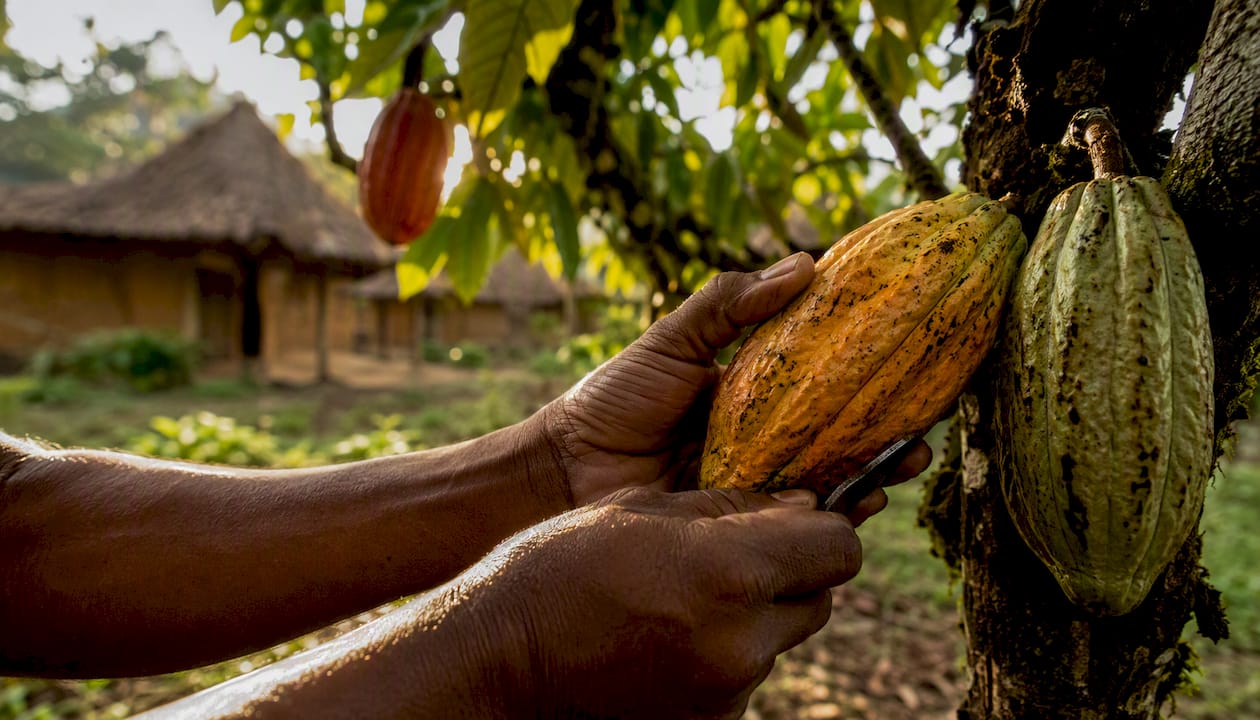
Images from cacao-growing communities, such as those documenting smallholder farms in the Peruvian Amazon, offer a grounding reminder that the cacao in your cup has a human story behind it.
What the ceremony’s meaning reveals about Mayan cosmology
There is something worth saying directly here, as the voice behind Mymayansign: cacao ceremonies and Mayan astrology are not the same practice, and conflating them would be its own form of flattening. But they share a cosmological grammar.
The Maya understood the world as a living relational system, where plants, humans, celestial bodies, and time itself were in constant conversation. The Tzolkin calendar, the 260-day sacred count at the heart of Mayan astrology, was not just a scheduling tool. It was a map of energies, each day carrying a specific quality, a Nawal, that shaped what was possible in that moment. Cacao, in that framework, was not incidental. It was a threshold substance, a plant that helped humans cross from ordinary awareness into sacred attention.
When you sit in a cacao ceremony and set an intention, you are, knowingly or not, participating in a logic that the Maya encoded across centuries of cosmological observation. The ceremony asks: What is the quality of this moment? What does it call for? The Tzolkin asks the same question, just with a different vocabulary.
That connection is worth exploring, not as a requirement for ceremony participation, but as a doorway into deeper understanding of why these practices feel the way they do.
Deepen your ceremony experience with Mayan cosmology
If the ceremony’s symbolic language has sparked your curiosity about its Mayan roots, Mymayansign offers a natural next step. The site specializes in personalized Mayan astrology readings, including your Tzolkin day sign, Galactic Tone, and Tree of Life, drawn directly from the same cosmological tradition that gave cacao its sacred meaning.
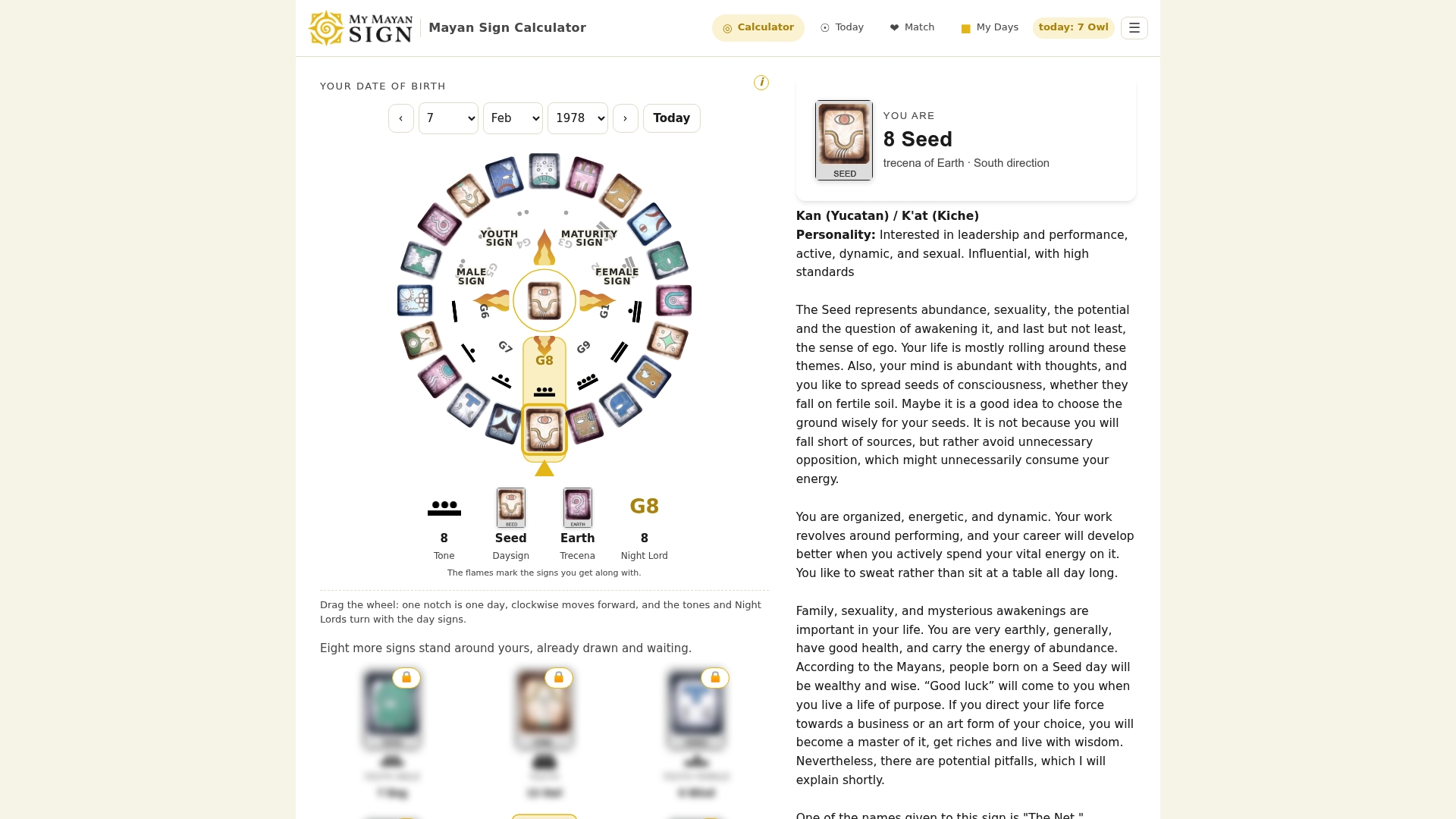
Knowing your Mayan sign can add a layer of personal symbolic context to your ceremony intentions. If your day sign carries the energy of transformation or introspection, that is not coincidence; it is the calendar speaking. Mymayansign’s Mayan astrology overview explains the full system in plain language, and the free sign calculator lets you find your personal Tzolkin day in minutes. For those who want to align ceremony timing with the sacred calendar, the Mayan Calendar Today tool shows the current Tzolkin day sign and tone. Start with your sign, and let the cosmology meet the ceremony.
Frequently asked questions
What is the spiritual meaning of a cacao ceremony?
A cacao ceremony is a ritual act rooted in Maya and Aztec traditions that uses ceremonial cacao, shared intention, and a held container to support emotional opening, inner clarity, and communal connection. The spiritual meaning centers on cacao as a plant ally and threshold substance, something that helps participants move from ordinary awareness into a more receptive, heart-centered state.
Is a cacao ceremony the same as a psychedelic ceremony?
No. Cacao is not a psychedelic. Its active compound, theobromine, is a vasodilator that produces calm alertness and increased heart awareness, not hallucinations or altered perception. Practitioners consistently describe cacao as a subtle ally whose effects depend on intention and the ceremonial container, not on pharmacological intensity.
How long does a cacao ceremony last?
Most ceremonies run for a few hours. Retreat-context ceremonies can last longer, sometimes most of a day. A typical sequence includes opening, intention setting, drinking, guided meditation or movement, a sharing circle, and closing.
Who should avoid ceremonial cacao?
People who are pregnant, have heart conditions or arrhythmias, take MAOIs or SSRIs, or are sensitive to stimulants should consult a clinician before attending. Ceremonial doses are significantly higher than a typical serving of chocolate and carry real physiological effects.
How do I find a reputable cacao ceremony facilitator?
Ask about their training lineage, who they studied with, where their cacao comes from, and how they practice reciprocity with Indigenous communities. A facilitator who cannot answer those questions clearly warrants caution.
Can I do a cacao ceremony alone?
Yes, though the communal element is part of what makes the practice meaningful for many people. A solo ceremony can be structured with the same sequence: intention setting, deliberate preparation and drinking, meditation, journaling, and closing. Keep the dose lower if you are new to ceremonial cacao.
What does “ceremonial grade” cacao actually mean?
There is no regulated standard for the term. In practice, it refers to minimally processed, 100% pure cacao paste from a named single-origin source, prepared without alkalization, dairy, or refined sugar. The most reliable indicator is producer transparency, a named farm or cooperative with documented practices, not just the label.
Sources
The sources below were used in researching this article. Each one offers a different angle on the practice.
- Subjective Configurations in Cacao Ceremonies: A Theoretical Analysis from a Latin American Cultural–Historical Psychology Perspective
- Cacao ceremony
- What Is a Cacao Ceremony? The History, Tradition, and Practice – Holy Wow Cacao
Recommended
- Mayan Tree of Life: Meaning, Symbolism, and Charts
- Daily Mayan Wisdom – MyMayanSign
- Mayan Astrology Blog | Day Signs, Tzolkin & Calendar
- Mayan Glyph Meanings: A Complete Reader’s Guide