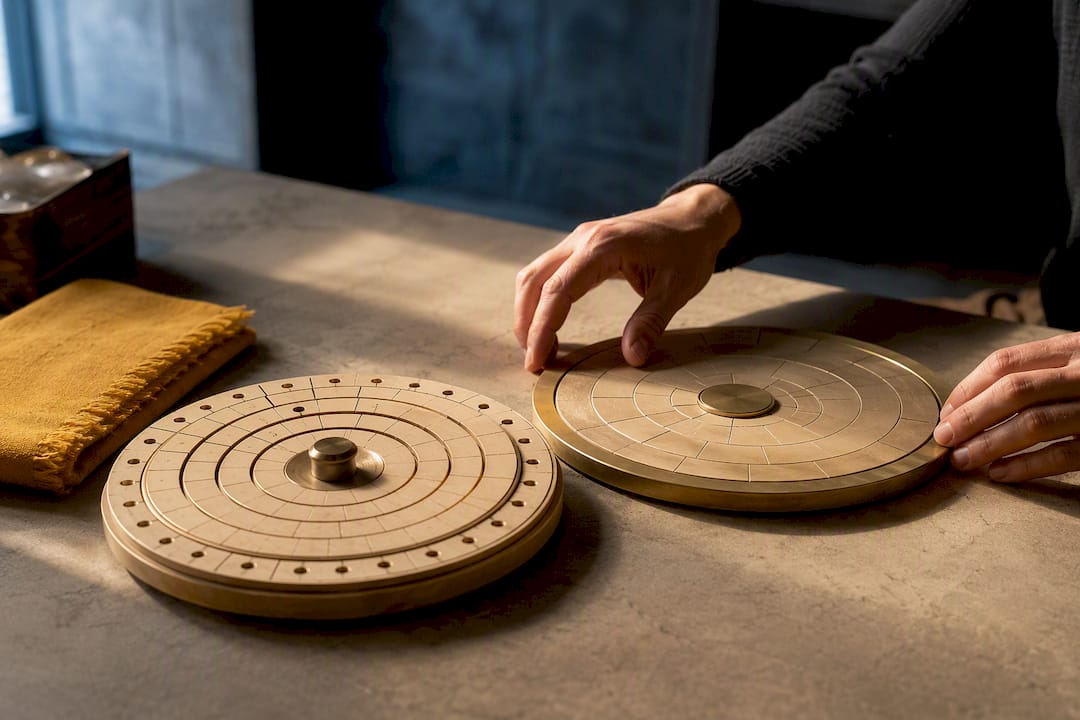
A Galactic Activation Portal day, or GAP day, is one of 52 specific dates in the 260-day Tzolk’in calendar when the boundary between ordinary awareness and deeper intuition is said to soften. Practitioners describe these days as amplified: emotions run stronger, synchronicities pile up, and reflection or intention setting tends to land with more weight than usual. You don’t need a mystical background to use one. You just need to know which day it is.
TL;DR:
- GAP days are specific Tzolk’in cycle dates when intuition and emotional sensitivity are heightened, often leading to vivid dreams and meaningful coincidences.
- They occur roughly 52 times in each 260-day cycle, with their placement determined by the mathematical intersections of the calendar’s tones and day signs.
- The modern term “Galactic Activation Portal” is influenced by Dreamspell, a late-20th-century reinterpretation, not an authentic ancient Maya label.
- For personalized GAP day identification, knowing your day sign and galactic tone allows accurate tracking through tools like online calculators.
- It is recommended to approach GAP days with simple grounding practices, avoiding impulsive decisions and using the heightened energy for reflection and gentle intention setting.
Table of Contents
- What GAP Days Are: Origin, Meaning, and the 52-Day Count
- How GAP Days Connect to the Tzolk’in, Galactic Tones, and Dreamspell
- What People Report Feeling on GAP Days
- How to Find Your Personal GAP Days
- Practices for Working With a GAP Day
- Why Context Matters More Than the Portal Metaphor
- Track Your GAP Days With MyMayanSign
- Sources
What GAP Days Are: Origin, Meaning, and the 52-Day Count
The term “Galactic Activation Portal” comes from contemporary spiritual writing built on top of the Tzolk’in, the 260-day sacred count kept by the Maya for millennia. The Tzolk’in results from 13 numbers, called tones, moving through 20 day signs, and that math produces 260 unique combinations before the cycle repeats. Within that grid, dozens of specific days get singled out by modern practitioners as GAP days, meaning a subset of the cycle’s days carry this designation.
Contemporary sources describe these 52 nodes as moments when the veil is thinner and intuition or guidance is easier to access. Here’s what that looks like in practice:
- Multiple contemporary spiritual sources commonly describe around fifty or so GAP days occurring across each full 260-day Tzolk’in cycle.
- Practitioners often treat them as favorable windows for reflection, journaling, or setting intentions.
- Some GAP days cluster together within particular stretches of the calendar, creating short runs of heightened days back to back.
- The designation is symbolic rather than measurable. It’s a lens for attention, not a forecast.
How GAP Days Connect to the Tzolk’in, Galactic Tones, and Dreamspell
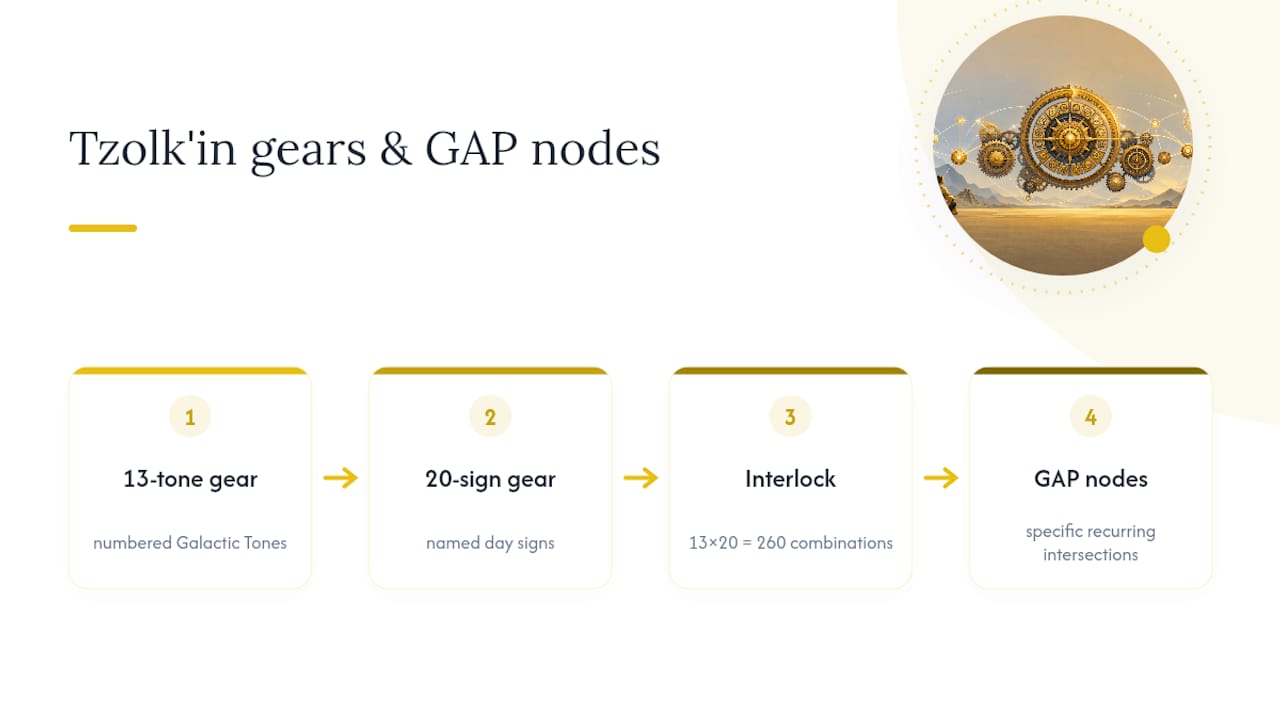
To understand why GAP days sit where they do, it helps to see the Tzolk’in as a wheel of two interlocking gears. One gear turns through 13 numbered tones, the other through 20 named day signs, and together they generate a 260-day calendar that never repeats a combination until the full cycle closes. Certain intersections on that wheel, where the mathematics lines up in a particular way, become the GAP nodes.
Here’s where the terminology gets tricky. Words like “Galactic,” including the label attached to tone 8, come from Dreamspell, a system created in the late 20th century by Jose Arguelles. Dreamspell reorganized and renamed elements of the Tzolk’in for a modern spiritual audience. Scholarship and reference sources are consistent on this point: the Dreamspell naming layer is a 20th-century reinterpretation, distinct from the day-sign vocabulary used in Classic and colonial Maya sources. That doesn’t make it useless. It makes it a modern spiritual dialect, not an ancient one.
If you want the traditional backbone beneath the modern language, our Tzolkin explained guide walks through the calendar’s actual mechanics before any Dreamspell terms get layered on top.
What People Report Feeling on GAP Days
Ask around in Mayan astrology circles and you’ll hear a consistent pattern of experiences tied to GAP days. Amplified emotion tops the list, followed by unusually vivid dreams, a run of synchronicities that feel too pointed to be coincidence, and intuition that seems to arrive faster than usual.
That amplification cuts both directions. A GAP day can deliver a moment of clarity you’ve been chasing for weeks, or it can turn a minor frustration into something that feels much bigger than it should. Practitioner guides consistently recommend grounding practices on these days rather than treating every feeling as a signal to act on immediately.
- Heightened emotional sensitivity, in both comfortable and uncomfortable directions.
- Vivid or unusually memorable dreams the night before or during the day itself.
- A noticeable uptick in synchronicities or “meaningful coincidences.”
- A stronger, faster sense of intuitive knowing than on an average day.
Some practitioners pay close attention to stretches where several GAP days cluster in a row within a single wavespell, treating those runs as especially concentrated periods. That’s practitioner lore passed down through spiritual communities rather than an established historical claim, so hold it loosely.
Pro Tip: If a GAP day brings up a strong emotional reaction, write it down before you act on it. Revisit the note 24 hours later. You’ll often find the insight was real even if the urgency wasn’t.
How to Find Your Personal GAP Days
Locating your own GAP days starts with knowing your Tzolk’in day sign and tone, the two coordinates that place you on the 260-day wheel.
- Find your day sign. This is the glyph tied to your birth date, one of 20 possibilities ranging from Jaguar to Eagle to Sun. Our Mayan birthday calendar guide walks through the birth-date method step by step.
- Identify your galactic tone. Each day sign pairs with one of 13 tones, and that pairing shapes the personality and energy attributed to your specific placement.
- Locate the GAP squares on the Tzolk’in grid. Once you know where your sign and tone sit, you can trace forward or backward through the cycle to see which of the 52 GAP dates fall closest to your own placement or upcoming days on the calendar.
- Cross-reference against today’s date using a current Tzolk’in reading so you know whether today, or an upcoming day, carries the GAP designation.
Doing this by hand with a paper grid works, but it’s slow and easy to miscount. The Mayan sign calculator at MyMayanSign runs the math instantly and returns your day sign, tone, and wavespell start date, along with a personalized view of your placement on the 260-day cycle.
Practices for Working With a GAP Day
Amplified days call for simple, deliberate routines rather than a packed schedule. Grounding comes first: bare feet on the ground for a few minutes, slow breathing, or a short walk before you engage with anything demanding.
From there, a handful of practices tend to work well specifically because the day’s energy is already turned up:
- Journal a single question tied to something you’ve been avoiding, then let the answer surface without forcing it.
- Set one clear intention for the coming 13-day cycle rather than a vague wish for “more of everything.”
- Try a short meditation focused on receiving rather than deciding.
- Sketch, write, or build something with your hands. Creative output often flows more easily on these days.
Pace yourself. If a day feels emotionally loud, this is not the moment to schedule a difficult conversation or sign something irreversible. Delay big decisions 24 hours if you can.
Pro Tip: Treat GAP days as a mirror, not a verdict. What comes up is information about where your attention wants to go, not a command you have to obey immediately.
One more thing worth naming plainly: this vocabulary comes from a modern spiritual reading of an ancient calendar. Use it with curiosity and respect for its Maya origins, and don’t present Dreamspell language as if it were traditional Maya doctrine, because it isn’t.
Why Context Matters More Than the Portal Metaphor
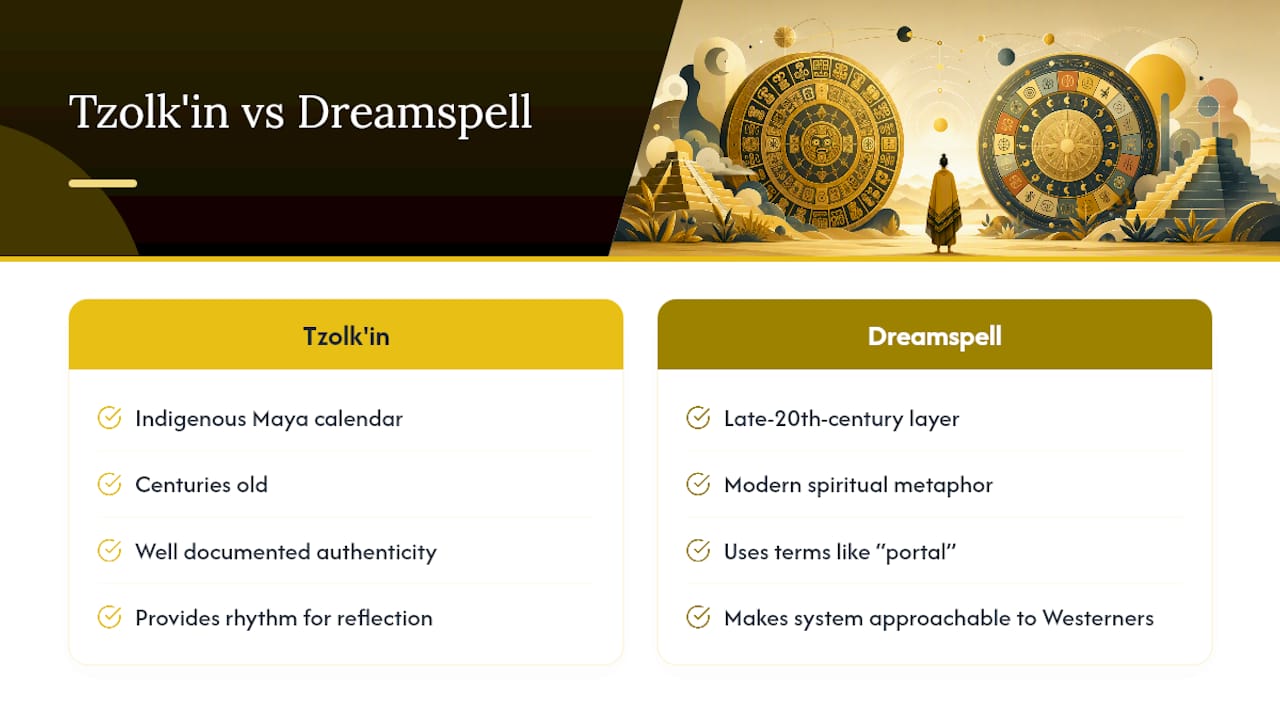
The internet is full of GAP day content that treats “portal” as literal fact rather than a modern spiritual metaphor placed on top of a genuinely old calendar system. That’s the gap most articles miss, no pun intended. The Tzolk’in itself is real, well documented, and centuries deep. The Dreamspell layer, including terms like “Galactic,” is a late-20th-century invention that makes the system more approachable to a Western audience.
Both things can be true at once. You can respect the Tzolk’in’s authenticity while still being honest that the specific word “portal” is a modern flourish, not an ancient one. What actually matters for a reader isn’t the label. It’s whether tracking these 52 days gives you a useful rhythm for reflection. In my reading of how this content circulates, the articles doing readers the biggest disservice are the ones that skip the Dreamspell disclosure entirely and let people assume they’re reading straight Maya scripture. Say the quiet part out loud, and the practice gets more trustworthy, not less.
— Fatih
Track Your GAP Days With MyMayanSign
Knowing the theory behind GAP days is one thing. Knowing which dates actually apply to you is another, and that’s where a calculator beats a grid and guesswork every time. MyMayanSign’s free Mayan zodiac sign calculator computes your day sign and galactic tone in seconds, and the Galactic Tone Day tool breaks down what your specific tone placement means for how you experience amplified days.
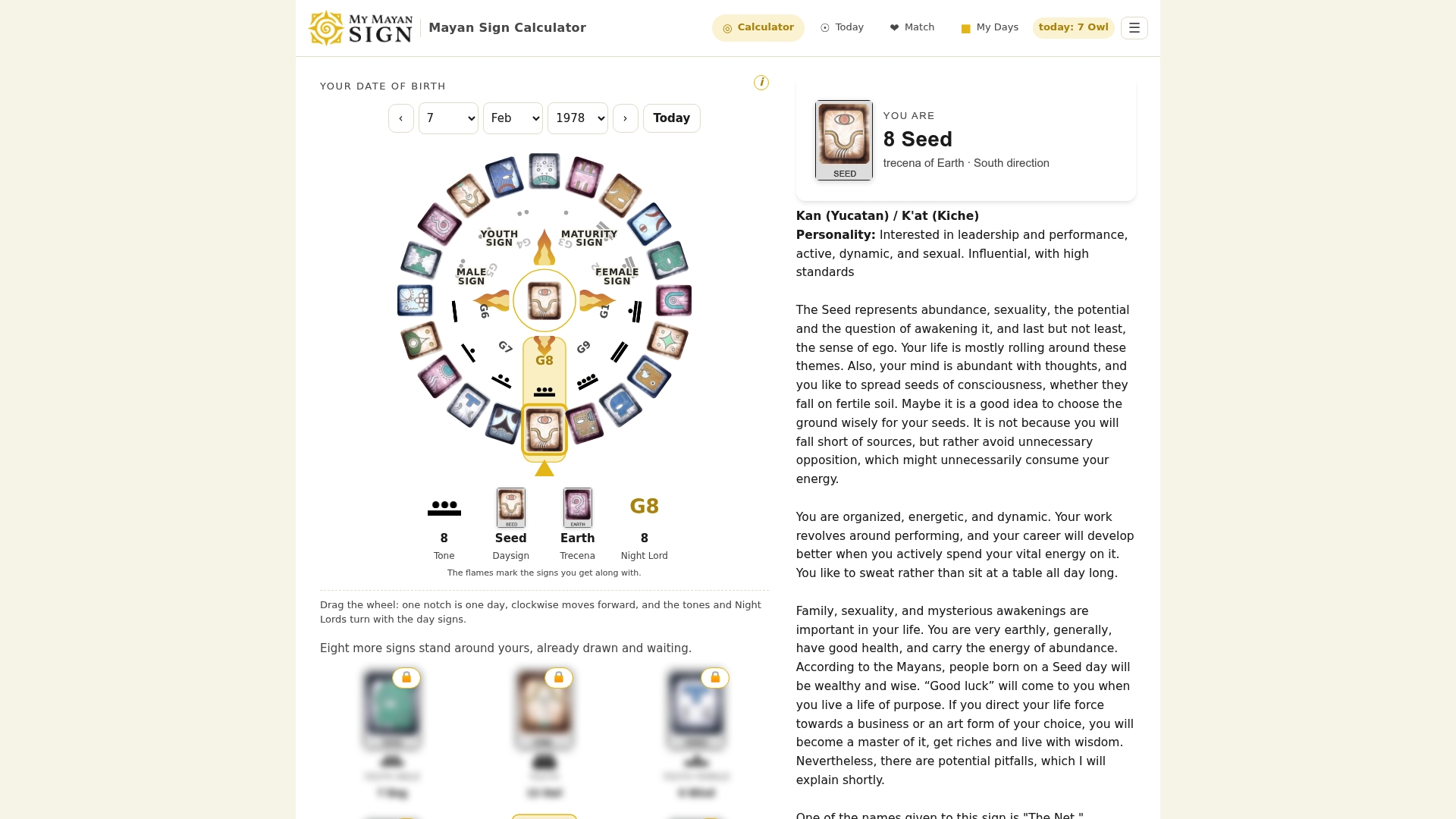
If you want more than a single day’s snapshot, a personalized report goes further: it maps your full wavespell, your trecana, and how your placement interacts with the broader 260-day cycle, so you’re not recalculating from scratch every time a GAP day rolls around. Start with the free calculator, then explore a full Mayan astrology reading when you’re ready to go deeper into your personal chart.
Sources
- Tzolk’in – Wikipedia
- What are Galactic Activation Portal Days? – LightCenter
- Galactic – Tzolkin tones | Divinity Atlas
Recommended
- Tzolkin Explained: The 260-Day Calendar of the Maya
- Dreamspell History: Origins and Its Break From the Maya Calendar
- Your Mayan Birthday Calendar: Find Your Maya Day Sign
- Your Galactic Signature Meaning: Decode Your Cosmic Identity